
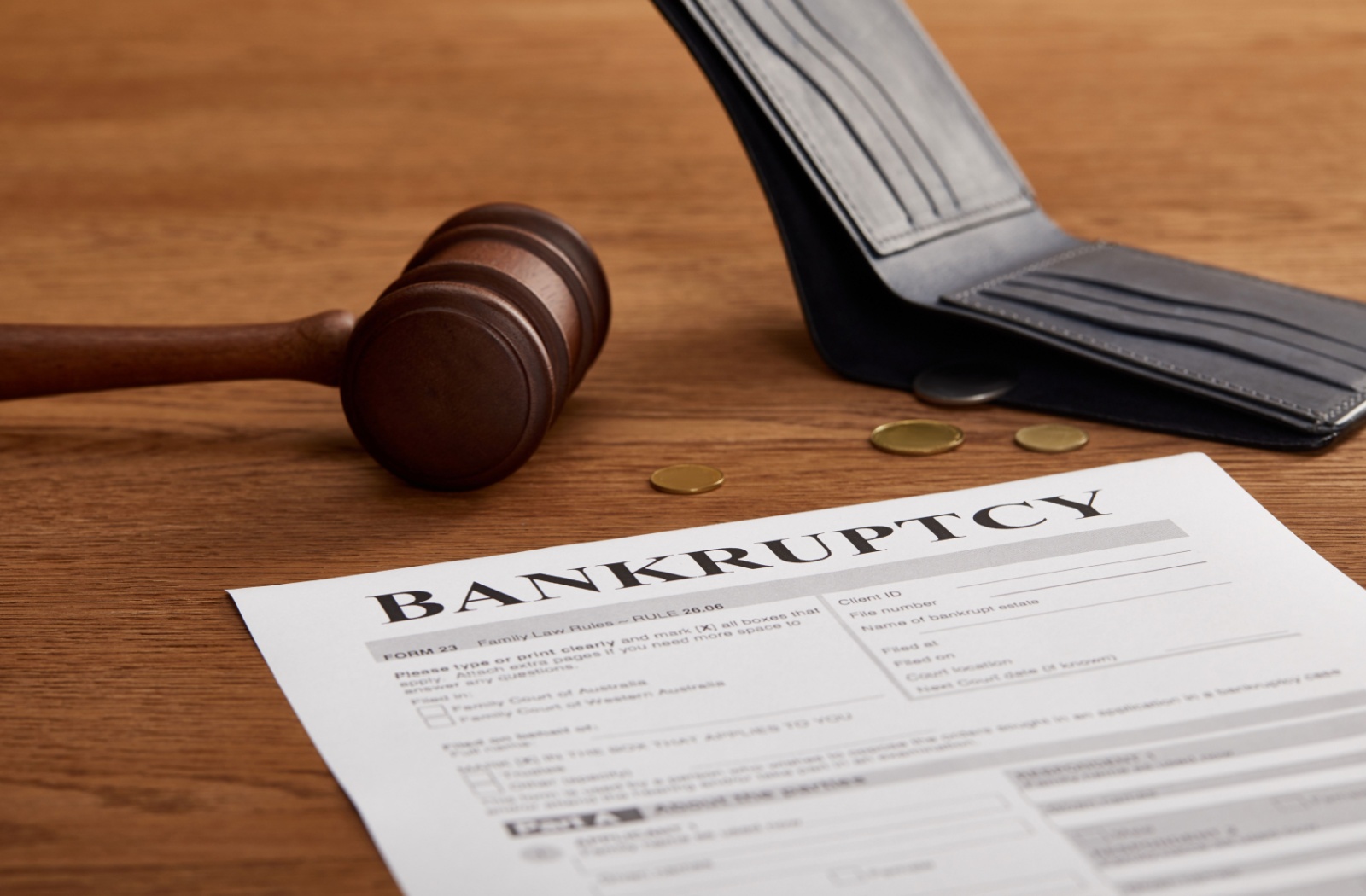

Bankruptcy is a legal process designed to help individuals and businesses who are unable to repay their debts. In the UK, it is seen as both a last resort and a fresh start, offering a structured way to resolve overwhelming financial obligations. Understanding how bankruptcy works, what it involves, and its long-term implications is essential for anyone considering this path.
What is Bankruptcy?
Bankruptcy is a legal status that applies to individuals who cannot pay their debts. It provides protection from creditors while ensuring that assets are fairly distributed to repay as much debt as possible. Once the process is complete, most debts are written off, giving the individual a chance to rebuild their financial life.
Key Characteristics
-
Administered through the courts and the Insolvency Service
-
Typically lasts for 12 months, although restrictions may continue beyond that
-
Most unsecured debts are cleared at the end of the bankruptcy period
-
Some debts, such as student loans, court fines, and child maintenance, cannot be discharged
Reasons People File for Bankruptcy
People choose bankruptcy for a variety of reasons, often linked to financial hardship. Common causes include:
-
Job loss or reduced income
-
Unexpected medical expenses
-
Divorce or separation
-
Failed businesses or investments
-
Unmanageable credit card and loan debts
Bankruptcy is often seen as a last resort after other debt solutions, such as Individual Voluntary Arrangements (IVAs) or Debt Relief Orders (DROs), have been considered.
The Bankruptcy Process in the UK
Filing for bankruptcy involves several key stages. The process is structured to ensure fairness for creditors and provide relief for debtors.
Applying for Bankruptcy
-
Applications are made online through the government’s Insolvency Service
-
A bankruptcy fee of £680 is payable
-
Once submitted, an adjudicator decides whether to approve the application
Role of the Official Receiver
Once bankruptcy is approved, an Official Receiver is appointed. Their responsibilities include:
-
Taking control of the debtor’s financial affairs
-
Assessing income, assets, and liabilities
-
Deciding which assets may need to be sold
-
Informing creditors about the bankruptcy
Impact on Assets
-
Essential household goods and work tools are usually protected
-
Valuable assets, such as property, vehicles above a certain value, and investments, may be sold
-
If a family home is affected, the Official Receiver seeks a fair resolution, often allowing time to arrange alternative housing
Duration and Discharge
-
Bankruptcy generally lasts 12 months
-
At the end of this period, the debtor is discharged, releasing them from most remaining debts
-
Restrictions, such as borrowing limits, may continue under a Bankruptcy Restriction Order in cases of misconduct
The Effects of Bankruptcy
Bankruptcy has significant effects on many aspects of life, both during and after the process.
Financial Impact
-
Bank accounts may be frozen and then reopened under restricted access
-
Credit ratings are severely affected, typically for six years
-
Obtaining credit above £500 without disclosing bankruptcy status is not permitted
Employment Impact
-
Some professions, such as law, finance, and accountancy, may restrict bankrupt individuals from working in certain roles
-
Self-employment remains possible, though trading under a different name requires disclosure
Emotional and Social Impact
-
The stress of financial failure can affect mental health
-
Bankruptcy is a matter of public record, which some find difficult to manage
-
For many, the process also provides relief from constant creditor pressure
Alternatives to Bankruptcy
Before choosing bankruptcy, individuals are encouraged to explore other options, such as:
-
Debt Management Plans (DMPs): Informal agreements to repay debts at an affordable rate
-
Individual Voluntary Arrangements (IVAs): Legally binding agreements to repay part of the debt over time
-
Debt Relief Orders (DROs): Available to people with lower levels of debt, limited assets, and low income
-
Negotiating with creditors: Sometimes creditors agree to reduced payments or settlements
Rebuilding Life After Bankruptcy
Life after bankruptcy requires careful planning but can be the start of a more stable financial future.
Steps Towards Recovery
-
Creating a realistic budget to manage income and expenses
-
Opening a basic bank account designed for people with poor credit
-
Using secured credit or prepaid cards to gradually rebuild credit history
-
Seeking financial education or advice to avoid repeat difficulties
Long-Term Outlook
While bankruptcy remains on a credit file for six years, many people are able to rebuild their financial standing over time. With discipline and support, it is possible to secure loans, mortgages, and financial stability again.
Frequently Asked Questions
Can bankruptcy clear all debts?
No. While most unsecured debts are written off, some debts like student loans, child maintenance, and court fines remain payable.
Will I lose my home if I go bankrupt?
If you own property, it may be sold to repay creditors. However, the process often allows time to find alternative housing, and essential living needs are considered.
How long does bankruptcy stay on my credit file?
Bankruptcy remains on your credit report for six years from the date it was declared, which may limit access to credit during that time.
Can I travel abroad if I am bankrupt?
Yes, you can travel abroad while bankrupt. However, moving overseas or living outside the UK may require informing the Official Receiver.
Is it possible to start a business after bankruptcy?
You can start a business, but if you trade under a name different from the one used in bankruptcy, you must disclose your status. Some industries may restrict self-employment opportunities.
What happens if I inherit money during bankruptcy?
Any significant inheritance or windfall during the bankruptcy period must be declared and may be used to repay creditors.

Comments are closed.